
Best Practices for Selecting LED Modules Using an Illumination Module Catalogue PDF
- electro savvy
- Nov 18, 2025
- 3 min read

Selecting the right LED module can feel overwhelming, especially when there are dozens of models, specifications, and performance metrics to sort through. That’s where an illumination module catalogue PDF becomes a powerful tool. This document helps lighting designers, engineers, architects, and installers compare LED modules in a structured, reliable format. With the right approach, you can quickly find modules that match your project's needs without wasting time or money.
What Is an Illumination Module Catalogue PDF?
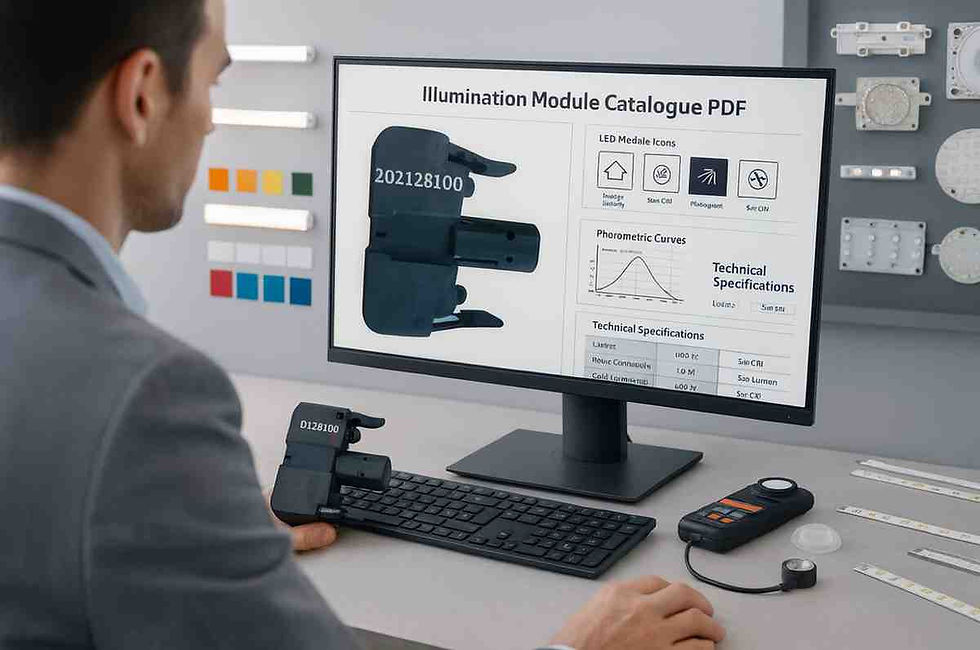
An illumination module catalogue PDF is a digital document used by lighting professionals to evaluate and select LED modules. It includes detailed specifications such as lumen output, power consumption, beam angle, dimensions, and compatibility notes. The PDF format ensures consistency, easy sharing, and accurate technical data.
Why PDF Format Matters
A PDF ensures the catalogue’s layout, charts, tables, and diagrams remain intact. Unlike web pages that may distort on different screens, the PDF preserves accuracy—especially critical when reviewing electrical and optical values.
Key Factors to Consider When Choosing LED Modules
Selecting the right LED module requires balancing performance, efficiency, and application needs. Here's what to look for in your illumination module catalogue pdf.
Understanding Lumen Output & Efficiency
Lumen output determines how bright an LED module will be. Efficiency—often shown as lumens per watt—indicates how well the module converts energy into usable light. Higher efficiency means lower energy bills and less heat production.
Evaluating Color Temperature & CRI
Color temperature (measured in Kelvin) affects mood and appearance. For example:
3000K = warm, cozy
4000K = neutral white
6000K = cool daylight
CRI (Color Rendering Index) measures how accurately colors appear under the light. A CRI above 80 is great for homes; anything above 90 is ideal for retail and professional environments.
Checking Module Dimensions & Form Factors
Before choosing a module, make sure it fits your housing, enclosure, or channel. Manufacturers list dimensions to help you avoid installation headaches. Modules too large or too small will impact performance and safety.
Thermal Management Features
Heat is a major factor in LED lifespan. Good thermal design prevents overheating, protects internal components, and maintains brightness. Check for:
Heat sinks
Aluminum backing
Thermal pads
Maximum operating temperature
Electrical Requirements & Safety Standards
Review voltage, current, and power ratings carefully. Many LEDs are constant-current modules; others are constant-voltage. Using the wrong driver can damage the module or cause flickering. Also ensure the module complies with certifications like CE, UL, or RoHS.
How to Use an Illumination Module Catalogue PDF Effectively
With a catalogue in hand, selecting the right module becomes much easier.
Comparing Technical Specifications
Use the PDF’s specification tables to compare:
Brightness levels
Power consumption
Lifespan
Beam angle
Efficiency
A side-by-side comparison helps narrow down suitable modules quickly.
Identifying Suitable Applications
Look for recommended applications within the catalogue. Many LED modules are designed specifically for:
Signboards
Architectural lighting
Indoor ambient lighting
Outdoor facades
Retail display illumination
Choosing based on intended use ensures consistent performance.
Cross-Referencing Manufacturer Datasheets
For complex lighting projects, don’t rely on the catalogue alone. Cross-reference datasheets for detailed graphs, photometric diagrams, and wiring instructions. Manufacturers often provide downloadable resources for deeper technical insight.
Common Mistakes to Avoid When Selecting LED Modules
Even with the best catalogue, mistakes can happen. Avoid these common issues:
Ignoring Heat Dissipation Needs
Failing to account for heat can drastically reduce lifespan. Ensure your installation allows airflow and uses proper heat management accessories.
Overlooking Beam Angle Requirements
A wide beam may cause light spill, while a narrow beam can leave dark spots. Always match the beam angle to the environment.
Not Checking Warranty & Lifespan Data
A long warranty often reflects better build quality. Modules with 35,000–50,000 hour lifespans provide better long-term value.
FAQs About LED Module Selection
1. What is the purpose of an illumination module catalogue pdf?
It helps users compare LED modules based on technical and performance specifications.
2. How do I choose the right LED module brightness?
Select brightness based on the room size, application, and desired illumination level.
3. Are all LED modules compatible with any LED driver?
No. Always match constant-current or constant-voltage requirements as listed.
4. Why is CRI important?
CRI ensures colors look natural and accurate under LED lighting.
5. Can I use a single module type for multiple applications?
Some modules are versatile, but many are application-specific.
6. Where can I find trustworthy LED module catalogues?
Manufacturers like Cree, Philips, and Osram publish professional catalogues in PDF format.
Conclusion
Choosing the right LED module becomes much easier when you use an illumination module catalogue pdf effectively. By carefully evaluating specifications, understanding application needs, and avoiding common mistakes, you can select high-quality modules that deliver long-lasting performance. Whether you're designing signage, architectural lighting, or indoor systems, a well-organized PDF catalogue remains one of the most valuable resources in the lighting industry.


Comments